Authored by Jude Comber 19th October 2025
For decades, social housing organisations have often approached their work from the inside-out designing services, strategies, and solutions based primarily on internal processes, operational convenience, and compliance requirements. While these priorities are important, they can unintentionally create distance between housing providers and the people they serve.
Today, a growing movement within the sector is calling for a fundamental mindset shift: from inside-out to outside-in thinking. This transformation isn’t just semantic it’s reshaping how housing providers design services, engage communities, and measure success.
Understanding the Shift
Inside-out thinking starts with the organisation’s perspective:
- “How can we improve our processes?”
- “What can we deliver with our current resources?”
- “How do we ensure compliance?”
In contrast, outside-in thinking begins with the customer, tenant, or community member:
- “What do residents actually need to thrive?”
- “What barriers do they face that we might not see?”
- “How can our services fit into their lives — not the other way around?”
It’s about viewing the organisation through the eyes of the people it serves, and designing experiences that respond to their reality, not just the organisation’s structure.
Why This Matters in Social Housing
Social housing isn’t just about providing homes it’s about enabling stability, dignity, and opportunity. Yet, when services are designed from the inside-out, even well-intentioned efforts can miss the mark. Tenants may feel unheard, systems may seem opaque, and trust can erode.
An outside-in approach helps close that gap. By prioritising empathy, co-creation, and lived experience, housing providers can align their operations with what residents truly value:
- Safe, well-maintained homes that are responsive to repairs and local needs.
- Clear, respectful communication that builds confidence and trust.
- Inclusive participation in shaping neighbourhood priorities and service improvements.
This isn’t about abandoning compliance or efficiency, it’s about reframing them in service of better human outcomes.
Best Practice in Action
- Co-design with Residents
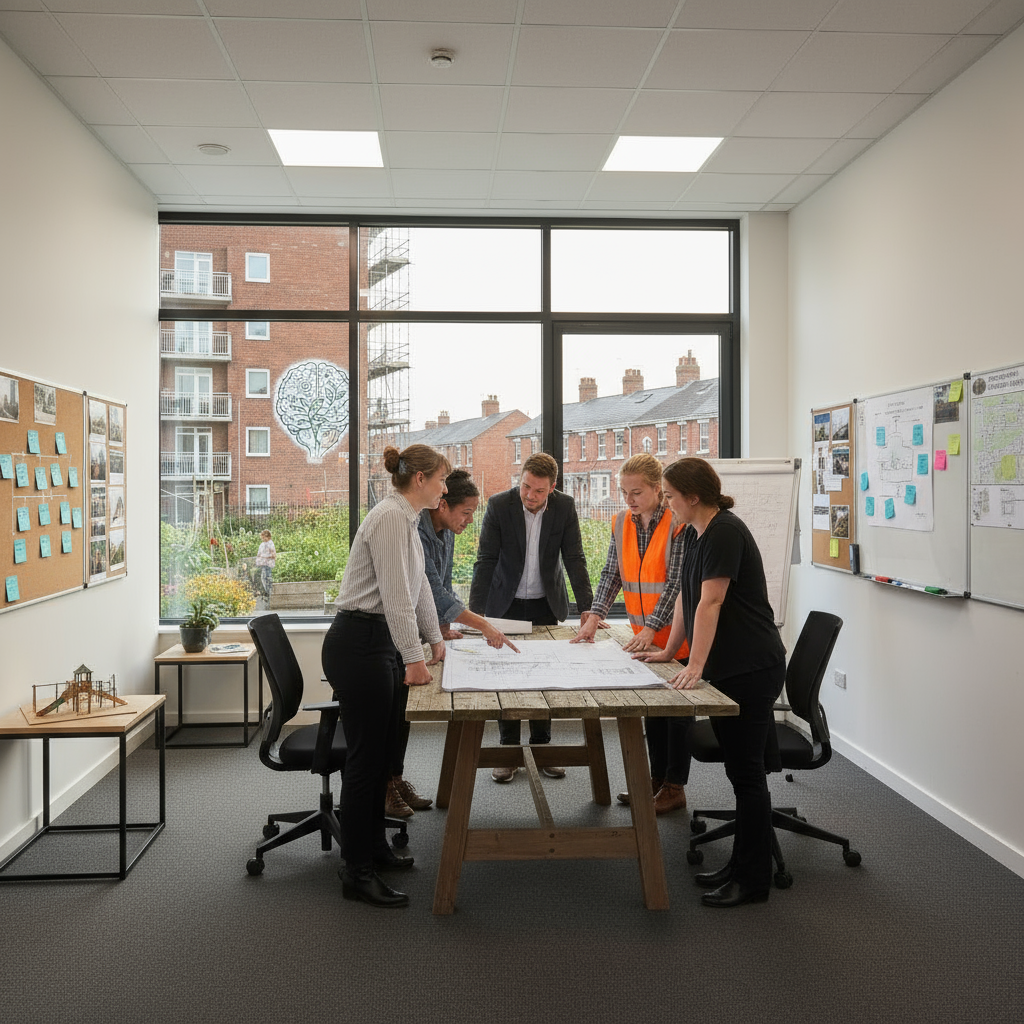
Leading organisations are involving tenants directly in decision-making from service design workshops to policy reviews. Co-design ensures that improvements are not just for residents but with them. - Experience Mapping
Mapping the resident journey from first contact to tenancy management helps identify pain points and opportunities for improvement. This method reveals where internal systems create friction and where a simple change could transform satisfaction. - Frontline Empowerment
Staff on the ground often hold the richest insights into resident experience. Giving them autonomy, feedback loops, and tools to act quickly turns customer service into genuine relationship-building. - Data with Empathy
Beyond compliance data, progressive housing providers are using qualitative insights, surveys, interviews, and community listening, to understand not just what happens, but why it matters to tenants. - Measuring What Matters
Traditional metrics (repairs completed, arrears rates) are being complemented by measures of wellbeing, trust, and satisfaction. These people-centred outcomes redefine what “success” means in housing.
The Outcomes of Outside-In Thinking
The results of this shift are tangible:
- Higher resident satisfaction and trust.
- Reduced complaints and faster resolution of issues.
- More sustainable tenancies through better engagement and support.
- Stronger communities where residents feel ownership and pride.
- Improved staff morale as teams see the real impact of their work.
Outside-in thinking creates a positive feedback loop: when residents feel heard and valued, they’re more likely to engage constructively which, in turn, drives better organisational outcomes.
Making the Shift Stick
A mindset shift requires cultural change. It starts with leadership but succeeds through shared ownership. Embedding outside-in thinking means:
- Training teams in empathy, active listening, and customer insight.
- Designing systems that make it easy to do the right thing for residents.
- Recognising and rewarding behaviours that prioritise resident experience.
- Viewing feedback, even complaints, as gifts for improvement.
Ultimately, this isn’t just a strategic shift it’s a human one.
Final Thoughts
Social housing has always been about more than bricks and mortar. As the sector faces new challenges, from affordability pressures to community regeneration, adopting an outside-in mindset is how organisations can stay relevant, resilient, and resident-focused.
When we design with people, not for them, we move closer to what social housing is meant to be: a foundation for thriving lives and communities.
 Digital Housing Change
Leave a comment